Jersey Meadow Golf Course Area: Why This Neighborhood Sees Water Damage
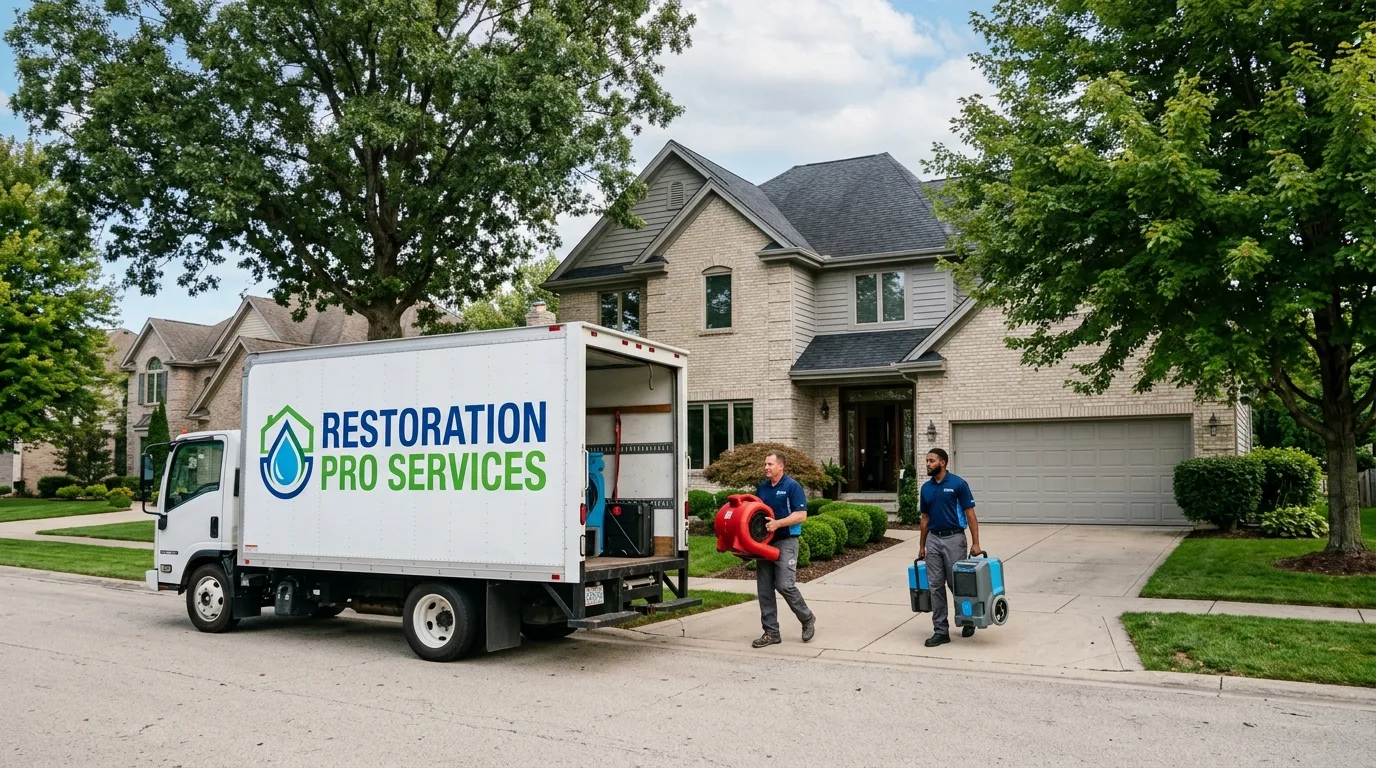
Homes surrounding Jersey Meadow Golf Course represent some of the most established residential real estate in Jersey Village — many built in the 1970s and 1980s, with mature trees, large lots, and the kind of settled character that newer developments can’t replicate. They also face specific water damage risks that newer construction in other parts of Harris County doesn’t have in the same combination. Understanding those risks is the first step toward protecting your investment.
In this post, we cover: why the Jersey Meadow Golf Course area sees above-average water damage events, the specific drainage and soil dynamics of this neighborhood, what homeowners can do to reduce their risk, and what restoration looks like when water events occur.
Water Damage Near Jersey Meadow? Call 24/7
Jersey Village Water Damage Restoration responds immediately to all water emergencies. Call (877) 698-1311.
The Geography of Water Risk Around Jersey Meadow
The 18-hole championship course at Jersey Meadow Golf Course is not just a recreational amenity — it’s a large piece of permeable open space in a predominantly built-out urban environment. Golf courses typically have engineered drainage systems designed to handle significant rainfall volumes and discharge that water at controlled rates into detention or drainage infrastructure. During extreme rainfall events, however, golf course drainage can surcharge and discharge water at rates that exceed the absorption capacity of adjacent residential properties.
The low-lying areas immediately adjacent to the course — particularly on its northeastern and southern boundaries — are the highest-risk residential zones for storm-related water intrusion. The flat topography of Jersey Village means there’s minimal elevation difference to buffer residential properties from water moving off the course during heavy rainfall.
Clark Henry Park, the community’s public aquatic and recreational center, sits within the same general drainage watershed as the golf course area. The combination of golf course drainage and storm water from the park’s impervious surfaces creates localized water movement patterns during major rain events that affect surrounding residential blocks.
Aging Infrastructure: The Hidden Risk Factor
Homes in the Jersey Meadow Golf Course area are typically 40–50 years old. This vintage of construction presents several infrastructure-related water damage risks that newer construction doesn’t share:
Galvanized steel plumbing. Many homes built before 1975 in Jersey Village used galvanized steel supply pipes. Galvanized pipes corrode from the inside out, gradually restricting water flow and eventually developing pinhole leaks or sudden failures. A home approaching or past 50 years of age with original galvanized plumbing is at significantly elevated burst pipe risk — not just during freeze events but from internal corrosion at any time of year.
Original drain lines. Cast iron drain lines from this era can crack, corrode, or develop root intrusion over decades. Slow drains and occasional backup events that seem minor can indicate developing drain line problems that eventually produce sewage backup events — the most severe and expensive water damage category.
Slab condition. Forty years of Houston Black Clay shrink-swell cycles have stressed the foundation slabs of Jersey Meadow area homes significantly more than newer construction. This cumulative stress creates micro-fractures in slabs and widened penetration gaps around pipes that didn’t exist when the home was built. Water intrusion through the slab base is common in these homes during soil saturation events.
Water Damage in the Jersey Meadow Area?
We know the specific risk factors of this neighborhood. Call (877) 698-1311 for a free assessment.
Structural Drying Challenges in Older Homes
Water damage restoration in older Jersey Meadow area homes has specific challenges compared to newer construction:
Plaster and lathe walls (in some of the oldest homes) absorb water differently than drywall and require different drying protocols. Plaster can be dried in place in some cases but holds moisture much longer than drywall, requiring extended drying times.
Original hardwood flooring is particularly common in homes of this vintage and is both more valuable and more demanding to restore than engineered wood or LVP. Hardwood flooring that is addressed within a few hours of water contact can often be dried in place. Hardwood that has been wet for 24+ hours typically cups, buckles, and requires professional assessment before any decision about drying versus replacement is made.
Accessibility challenges. The architectural character of older Jersey Meadow homes — sometimes with limited attic access, original ductwork, or plaster ceilings — can make moisture detection and equipment placement more complex than in homes with standard modern construction.
Prevention Priorities for Jersey Meadow Area Homeowners
For homes in this neighborhood specifically, the most important prevention investments are:
Plumbing assessment. If your home has original galvanized plumbing, have a licensed plumber assess the internal condition. The cost of a plumbing assessment ($150–$300) is trivial compared to the cost of an emergency burst pipe restoration in a wet-season flood event.
Drain camera inspection. A camera inspection of your main drain line ($200–$400) reveals root intrusion, cracks, or partial blockages before they develop into sewage backup events. For homes in the Jersey Meadow area with original cast iron drains, this inspection is worthwhile every 5–7 years.
Interior drainage assessment. If you’ve noticed moisture along the base of exterior walls, damp spots on floors, or musty odors in lower-level spaces, schedule a moisture detection assessment. In Houston Black Clay soil conditions, these symptoms often indicate slab migration moisture that worsens over time without intervention.
Frequently Asked Questions
Are homes near Jersey Meadow Golf Course at higher flood risk?
Homes immediately adjacent to the golf course’s drainage areas face above-average surface water risk during major storm events. However, most Jersey Meadow area homes face the same baseline flood risk as all of Jersey Village — the expansive clay soil, flat topography, and proximity to the Addicks and Barker Reservoir watersheds create community-wide flood exposure that individual property characteristics modify only modestly.
How does the Houston Black Clay affect older homes specifically?
Forty to fifty years of shrink-swell cycles in the Vertisol clay soil create cumulative structural stress in older homes. Foundation slabs that were poured sound in the 1970s have experienced significant movement since then, creating penetration gaps and micro-fractures that didn’t exist at construction. This makes water intrusion through the foundation more likely in older homes than in newer construction with fresh slabs.
What should I do if I notice moisture but no obvious water source?
Schedule a moisture detection assessment with a certified restoration contractor. Thermal imaging cameras reveal temperature differentials from hidden moisture that surface inspection misses — including slab migration moisture, HVAC condensation issues, and roof leak pathways that have saturated attic insulation without penetrating the ceiling visibly yet.
Related resources:
- Living in Jersey Village: homeowner’s water damage prevention guide
- Houston Black Clay soil and water intrusion in Jersey Village
- Water damage restoration in Jersey Village
Jersey Meadow Area Water Damage Experts
We understand the specific water risks of older Jersey Village homes. Call (877) 698-1311 for a free assessment. Serving Jersey Village and all of Harris County.