Texas Freeze Prep: Prevent Frozen Pipes in Jersey Village Homes
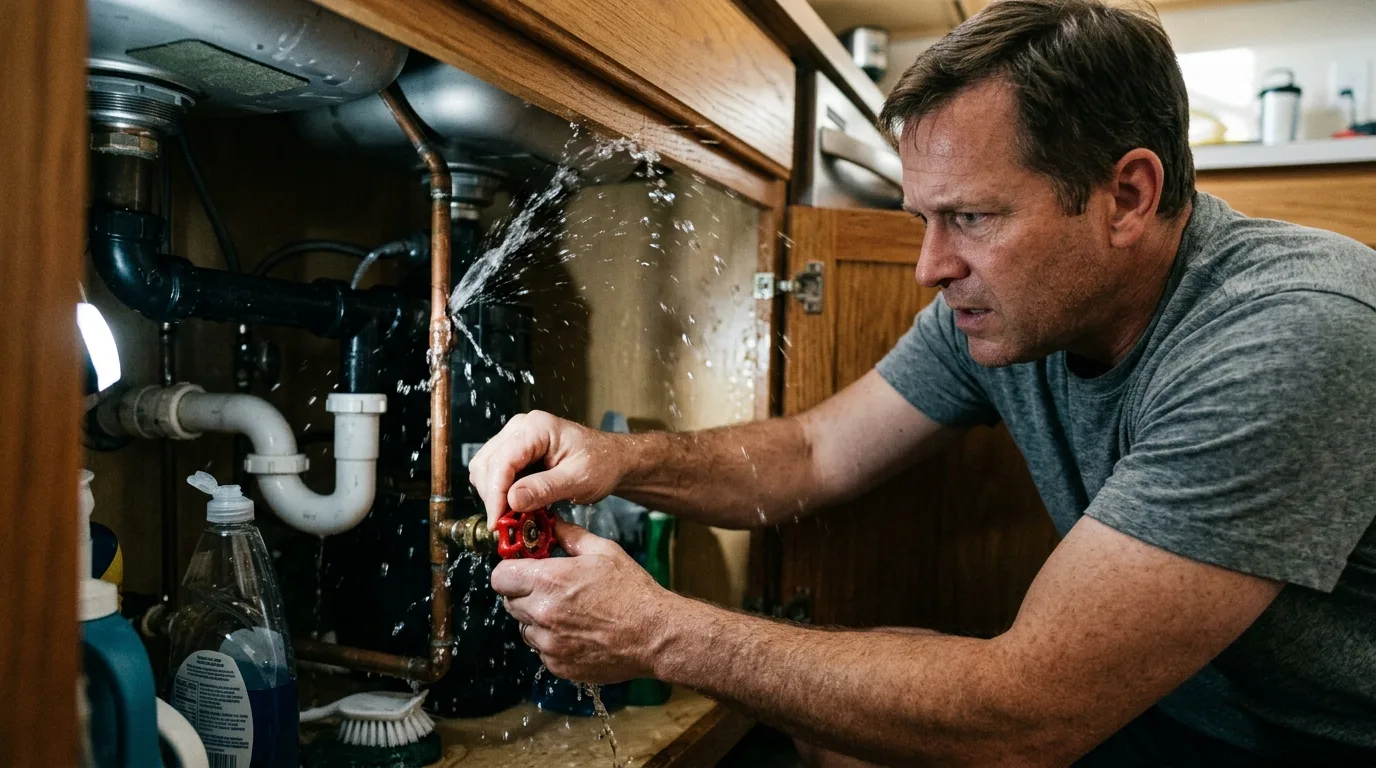
Most Jersey Village homeowners don’t think about frozen pipes until the night before the temperature drops. That’s exactly the problem — by then, hardware stores are sold out of pipe insulation, plumbers are booked solid, and your attic pipes are about to experience temperatures they were never designed to handle. This guide gives you the preparation steps to complete weeks before a freeze event, not hours.
In this post, we cover: why Texas homes are uniquely vulnerable to frozen pipes, which pipes are highest risk in Jersey Village homes, the preparation steps that actually prevent freezing, and what to do if a pipe freezes or bursts despite your preparation.
Had a Freeze Pipe Failure? Call Immediately
Jersey Village Water Damage Restoration provides emergency burst pipe response 24/7. Call (877) 698-1311.
Why Texas Freeze Events Cause More Damage Than Northern States
The 2021 Texas winter storm demonstrated a paradox that engineers and homebuilders understand but many homeowners don’t: Texas homes suffer more freeze-related pipe damage during severe cold events than homes in Minnesota or Wisconsin, even though Texas winters are mild by comparison. The reason is simple — Texas construction doesn’t include the insulation standards used in northern climates.
Homes in Jersey Village and throughout Harris County have plumbing runs in uninsulated attic spaces, exterior walls with no insulation behind the pipe, and crawlspace or under-slab pipes in concrete that conducts cold from the soil. When temperatures drop into the 20s or teens — which happens during rare but devastating Texas freeze events — these uninsulated pipes can freeze within hours. The pipes that survive a northern winter are surrounded by insulation that maintains above-freezing temperatures even in extreme cold. Texas pipes are exposed.
The 2021 event caused billions of dollars in water damage across the Houston metro area — including extensive damage to homes throughout the Steeplechase and Eldridge North areas of Jersey Village — precisely because homeowners and their pipes were unprepared for sustained sub-freezing temperatures.
Which Pipes Are Highest Risk in Jersey Village Homes
Attic water supply pipes are the single highest-risk location in Jersey Village homes. Many older homes have water supply lines — cold water and often hot water return lines — running through uninsulated attic space. When temperatures drop into the 20s, these pipes can freeze within 2–4 hours. Signs you have attic pipes: if you can hear water flowing when you run a faucet, trace the sound up — if it goes toward the attic, your supply lines run there.
Exterior wall pipes — supply lines for outdoor hose bibs or pipes serving bathrooms on exterior walls without interior plumbing wall insulation — freeze when wall cavity temperatures drop below freezing.
Under-slab pipes near the foundation perimeter are more protected by the thermal mass of the slab but can freeze in sustained cold events, particularly near the foundation edge where cold infiltrates from outside.
Unheated garage pipes — supply lines for laundry connections or utility sinks in garages — are highly vulnerable because garages are rarely insulated to living space standards.
Preparation Steps: Complete These Weeks Before a Freeze
Insulate exposed pipes in the attic. Foam pipe insulation tubes — available at hardware stores in 3/4” and 1/2” diameters for standard residential supply lines — are inexpensive and easy to install. Cover every inch of pipe in the attic, paying extra attention to any sections near the attic hatch or at the eave line where cold air infiltrates.
Protect exterior hose bibs. Install foam hose bib covers on all outdoor faucets. Disconnect and drain garden hoses before a freeze event — water remaining in a connected hose can cause a hose bib to freeze and burst even when the supply line is insulated.
Service your sump pump. Power outages during winter weather events disable sump pumps precisely when groundwater pressure is highest from melting snow or ice. Test your backup battery and consider a water-powered backup sump pump as a secondary protection layer.
Locate your main water shutoff. Know exactly where your main shutoff is and confirm it operates freely. During a burst pipe emergency, seconds matter — a shutoff valve you can’t find or that’s seized from disuse multiplies damage significantly.
Identify and insulate your water meter box. If your meter is in an in-ground box near the sidewalk, the box itself can freeze and prevent water shutoff during an emergency. Line the inside of the lid with foam insulation to retain ground heat.
Freeze Pipe Burst? Don't Wait — Call Now
Emergency 24/7 burst pipe response in Jersey Village. Call (877) 698-1311.
During a Freeze Event: Night-of Actions
Let faucets drip. Moving water doesn’t freeze — even a slow drip from the farthest fixture on each supply line keeps water moving through vulnerable sections. Focus on outdoor-wall-adjacent faucets and bathroom fixtures in exterior rooms.
Open cabinet doors under sinks. Cabinet doors block warm room air from reaching pipes under sinks on exterior walls. Opening them allows warm interior air to circulate around the pipes.
Keep your home at minimum 55°F. Even if you’re away, maintain minimum heat. Pipes in interior walls rarely freeze when indoor temperatures stay above 55°F, but exposed attic and exterior wall pipes are vulnerable regardless of indoor temperature.
Fill the bathtub with water. If pipes freeze and water service is disrupted, a bathtub of water gives you toilet flushing and basic washing capability while repairs are arranged.
What to Do If Pipes Freeze or Burst
If you turn on a faucet and nothing comes out during a cold event, you likely have a frozen pipe. If the pipe has not yet burst, careful warming with a hair dryer (not an open flame) can thaw it before it ruptures. Work from the faucet end toward the freeze point — never thaw from the middle outward.
If a pipe bursts, shut off the main water supply immediately, then call us at (877) 698-1311. Don’t attempt to clean up the water yourself with household equipment — extraction equipment and dehumidification are required to prevent mold in Jersey Village’s humid climate. We respond 24/7 throughout Jersey Village and Harris County, including during freeze events.
Frequently Asked Questions
Do I need to drip all faucets during a Texas freeze event?
Focus on faucets fed by pipes in high-risk locations: attic-routed pipes, exterior wall pipes, and garage supply lines. Interior-wall pipes in well-heated homes rarely freeze. When in doubt, drip all faucets — the water cost is trivial compared to burst pipe restoration.
Will homeowners insurance cover frozen pipe damage in Jersey Village?
Yes — pipe bursts from freezing are typically covered as sudden, accidental events under standard Texas homeowner policies. Coverage includes water damage remediation and reconstruction but not the pipe repair itself. Document damage before cleanup begins and call your carrier within 24 hours.
Can I warm frozen pipes myself in a Jersey Village home?
You can use a hair dryer or heating pad on exposed accessible pipes. Never use an open flame — this has caused house fires. If the frozen section is in a wall or attic and inaccessible, call a plumber. If you’re unsure whether a pipe has burst, turn off the main supply before thawing to prevent flooding if it has.
Related resources:
- What to do after a burst pipe in Jersey Village
- Burst pipe repair and restoration in Jersey Village
- Emergency water removal in Jersey Village
Save Our Number Before the Next Freeze
Jersey Village Water Damage Restoration — (877) 698-1311 — 24/7 emergency burst pipe response for Jersey Village and all of Harris County.